The range hood is arguably the unsung hero of the rangehood cleaning Eastern Suburbs modern kitchen. It’s the hardworking sentinel that keeps smoke, steam, and, most importantly, grease from turning your beautiful culinary space into a smoky, sticky cavern. But like any appliance that works tirelessly, it needs maintenance. Many homeowners treat the cleaning of their range hood as a sporadic chore, tackling it only when a visible catastrophe occurs. However, the grease and particulate matter trapped within its filters and ductwork are far more complex than just visible grime. Ignoring professional cleaning doesn't just impact aesthetics; it compromises the appliance's efficiency, your indoor air quality, and even your safety. Understanding how often should I get my range hood professionally cleaned? requires looking past the sticky residue and examining the science of combustion and filtration.
Understanding the Hidden Hazards of Grease Buildup
Before we can determine a schedule, we must first understand what we are dealing with. Grease buildup is not merely cosmetic; it is a physical, chemical, and potential fire hazard. Think of the accumulated grime as a thick, sticky secret the hood is trying to keep—a secret that can become quite flammable.
The Danger of Grease Buildup
When you cook, you are generating a cocktail of airborne particles: smoke, oil aerosols, steam, and combustion byproducts. The range hood is designed to capture these. However, over time, the filters become saturated, and the grease coats the internal mechanisms. This buildup is essentially a highly concentrated fuel source.
- Reduced Efficiency: A greasy hood cannot pull air as effectively. It’s like trying to run a car engine with the air intake partially clogged—the power output suffers dramatically. Fire Risk: The most critical danger is the potential for a grease fire. A thick layer of accumulated grease, especially when exposed to high heat, can ignite, turning a minor mishap into a serious emergency.
Beyond Aesthetics: Health and Air Quality Concerns
If you only consider the buildup a mess, you are missing the larger picture. Professional cleaning is also a matter of respiratory health. The particles trapped within the ducts and filters can become a breeding ground for mold spores and other volatile organic compounds (VOCs).
These invisible contaminants can significantly impact indoor air quality. For those with allergies or respiratory sensitivities, cooking fumes and particulate matter that are recirculated or poorly filtered can exacerbate symptoms. As one HVAC expert wisely noted, "The air we breathe inside our homes can be far more polluted than the air outside, especially in kitchens." Maintaining clean filtration is paramount to maintaining a healthy home environment.
Determining the Ideal Professional Cleaning Frequency
The single most important answer to how often should I get my range hood professionally cleaned? is: it depends on your cooking habits. There is no one-size-fits-all answer, but we can establish clear guidelines based on lifestyle, warning signs, and usage intensity.
Assessing Your Cooking Habits
Your daily routine is the single greatest determinant of cleaning frequency. Are you a casual cook, or are you a professional chef who operates a culinary laboratory?
- The Casual Cook (Low-to-Moderate Usage): If you mostly boil water, sauté vegetables, or use the stovetop minimally, deep cleaning might be needed every 12 to 18 months. The Enthusiast/Regular Cook (Moderate-to-High Usage): If you regularly sear meats, deep-fry, or cook complex, smoky meals (like stir-fries or braises), the grease load is heavy. In this scenario, professional cleaning should be scheduled every 9 to 12 months. The Culinary Warrior (High-Intensity Usage): If your kitchen is a primary workspace, and you cook high-heat, greasy meals multiple times a week, your hood is working overtime. For these users, semi-annual (every 6 months) professional cleaning is the gold standard for safety and peak performance.
Consider this anecdote: My friend, Sarah, who loves deep-frying, initially skipped professional cleaning for a year. When she finally had it done, the technician pointed out a level of carbon buildup that was alarming—it was a clear sign that her initial "DIY" filter scrubbing was merely masking a deep systemic issue.
Recognizing the Warning Signs
Sometimes, your range hood gives you clear, if subtle, signals that it needs help. Ignoring these signals is like ignoring the dashboard lights in a car; eventually, the problem becomes much harder, and more expensive, to fix.
Signs that it is time to call in the experts include:
- Visible Smoke: If you notice excessive smoke or odors that seem disproportionate to the cooking activity, the hood is losing its efficiency. Reduced Suction Power: If you have to turn the fan to its highest setting and still find that cooking odors linger in the room, the internal components are likely restricted by grease. Odor of Burned Grease: If the hood occasionally smells acrid, metallic, or like burning grease when you turn it on, this is a serious sign of buildup and potential fire risk. Filter Blackening: While visible grease is obvious, excessive blackening or warping of the filters suggests a heavy accumulation of soot and carbon residue that simple soaking cannot remove.
Maximizing Kitchen Performance and Lifespan
Maintaining a range hood is not just about cleanliness; it is an investment in your home's safety, efficiency, and overall enjoyment. By addressing the issue of how often should I get my range hood professionally cleaned? proactively, you extend the life of the unit and protect your family’s health.
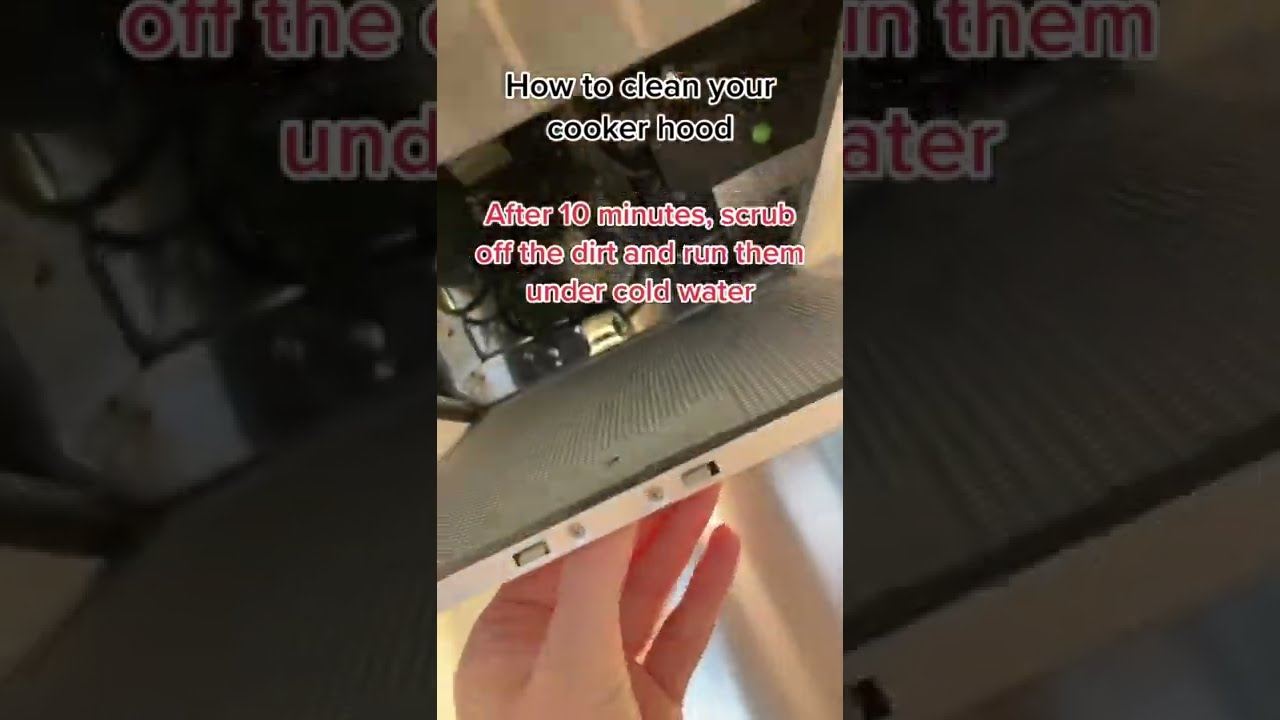
While DIY filter cleaning is essential for routine upkeep, remember that the internal ductwork and motor housing require specialized tools and expertise. A professional cleaning service will perform a deep vacuum and degreasing process that goes far beyond what a homeowner can safely achieve.
For the best performance, adopt these simple habits:
- Always Use the Hood: Never cook without the range hood running, even if you are only boiling pasta. Pre-Filter Greasy Items: Whenever possible, use lids or splatter guards to contain grease and steam at the source. Clean Filters Regularly: Wash and soak your removable filters every 2-4 weeks as a preventative measure.
Ultimately, the best maintenance schedule is one that is preventative. By treating professional cleaning as a scheduled health check for your kitchen, you ensure that your range hood operates at peak efficiency, keeps your air clean, and keeps your kitchen safe from the sticky perils of accumulated grease. A clean hood doesn't just improve airflow; it elevates the entire culinary experience, allowing you to enjoy delicious meals without the smoky aftermath.
HygieneXperts - Commercial & Residential Cleaning Services
12C Tungarra Rd Girraween NSW 2145 Australia,
61498203983